📞 01-4965681, 01-4965713 | ✉ injcc12012@gmail.com


Japan is a place for students from Nepal to study. Before you can get a student visa for Japan you need to get something called the COE Japan certificate. A lot of students in Nepal do not understand what that certificate is and why they need it so much. Some students think the certificate is a visa, but the COE Japan certificate is not the same thing as a visa.
This guide will tell you everything about the COE Japan certificate including what it actually is, who needs to apply for it, what papers you need to get the certificate, how long does it take to get it and what happens after you get the certificate.
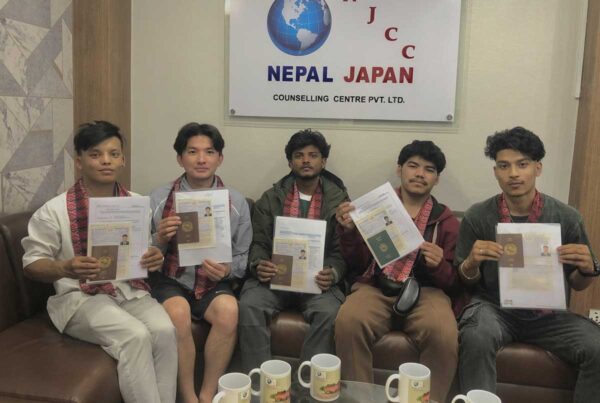
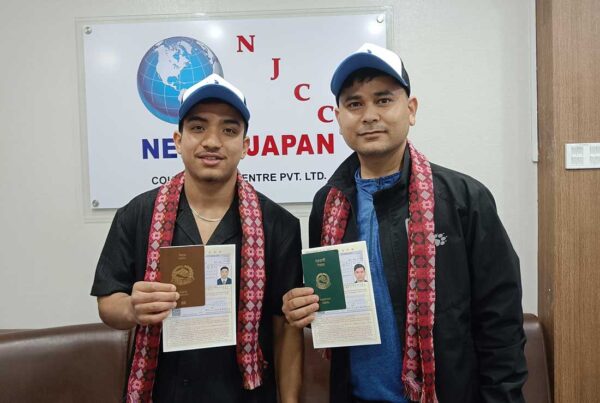
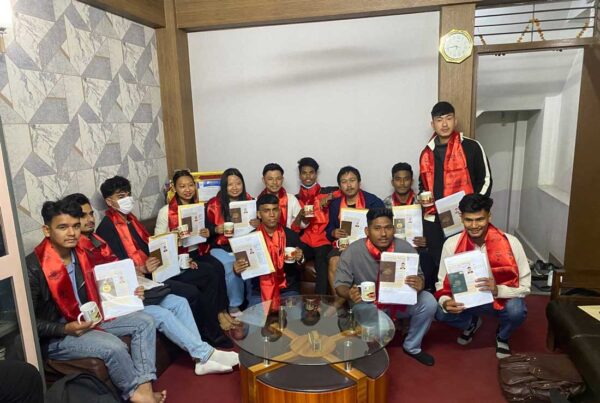
COE Japan is a document. It is issued by Japan’s Immigration Services Agency. The COE Japan certificate confirms that you meet the requirements to enter Japan for studying.Think of COE Japan as a pre-approval from immigration. Once this pre-approval is given, applying for your visa becomes easy and fast.
You do not apply for COE Japan directly. Your school or university in Japan acts as your sponsor. They submit the application to Immigration on your behalf. Once approved the original COE Japan document is sent to you or your consultancy in Nepal.
COE Japan and Student Visa are two different things. Many students get confused.
You cannot apply for your student visa until your Certificate of Eligibility is approved and in your hands. So this document always comes first in the process.
If your COE Japan application gets rejected, your entire visa process stops right there. You cannot even book your embassy appointment without it.
That is why this step deserves just as much attention as your visa application itself. A clean, well-prepared application at this stage saves you weeks, sometimes months, of delay later on.
You do not submit this application yourself. Your Japanese language school, college, or university applies on your behalf through the Regional Immigration Bureau in Japan.
Your job as a student is to gather the correct documents and hand them over to your school or consultancy in Nepal. They forward everything to Japan, and the school follows up with immigration until a decision is made.
The things you need to give to the school can be a little different but most students from Nepal have to give these things:
1. Academic certificates and transcripts – SEE, +2, or bachelor’s level, depending on your course
2. Passport copy – valid, with enough blank pages
3. Financial documents – bank statements or income certificates showing financial stability
4. Certificate of bank balance – covering tuition and living costs
5. Passport-size photos – in Japanese format
6. Sponsor documents – if a relative or guardian is funding your studies
If you are missing even one thing, it can take longer to get approved, so it is a good idea to check everything twice with the people who are helping you before you give it to the school.
On average, it takes about 1 to 3 months for immigration to reach a decision. A few things affect how fast or slow this goes:
Because of this waiting period, it is best to start early instead of rushing at the last moment.
The Immigration Services Agency in Japan issues the Certificate of Eligibility in two formats. It is helpful to know the difference between them before your school applies for the Certificate of Eligibility on your behalf.
This is the traditional format where the Certificate of Eligibility is approved and the immigration department prints the original. It is sent to your school by mail. Then your school forwards it to you or your consultancy in Nepal. Because it is sent by post, this can add one to two weeks to the normal processing time.
This is the newer format where the Certificate of Eligibility is approved and the immigration department emails the certificate as a PDF document directly to your school. Your school can then forward the Certificate of Eligibility to you on the day. You can print the Certificate of Eligibility yourself. There is no delay due to mailing.
Which one should you choose?
| Feature | Paper COE | Digital COE |
| Delivery method | Physical mail | Email as a PDF document |
| Extra waiting time | One to two weeks | No waiting time |
| Accepted at the Embassy | Yes | Yes, as a printed copy |
| Availability | All schools | Only schools that use the system |
Both the Paper COE and the Digital COE are equally valid for your visa application at the Japanese Embassy, in Kathmandu. You just need to bring a printed copy of the Certificate of Eligibility regardless of which format you choose. The main difference is how long you have to wait to get the Certificate of Eligibility.
Not every school has started using the system yet. You should ask your school which method they use. If your intake date is near it is a good idea to confirm this with your consultancy early.
Once you receive your certificate, either as a physical copy or a digital one, here is what comes next:
One important thing to remember: this certificate is only valid for 3 months from its issue date. If you do not enter Japan within that window, it becomes invalid and you would need to restart the process.
Some Nepali students have problems because of mistakes. These mistakes include:
A rejection does not mean it is over. You can look at the feedback, fix the problem and apply again with your school’s help.
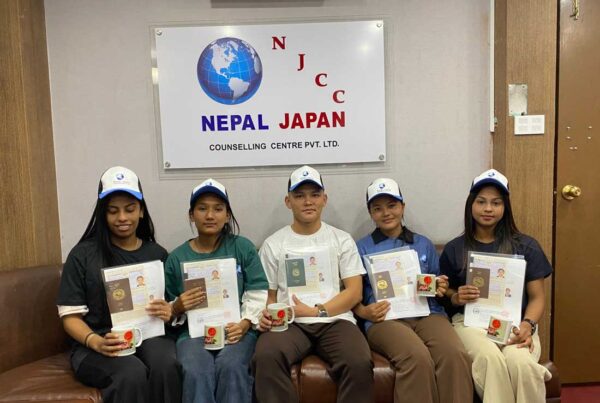
At NJCC we help students with every step of the process. We do this by getting their financial and academic documents ready. We also talk to your school in Japan and check on your application.
We pay attention to details like the COE format the school in Japan uses. Our goal at NJCC is to make sure all the paperwork for the Nepali students is done correctly this time. This way, nothing surprises you when your intake date is near.
Key Services of NJCC
Getting your Certificate of Eligibility approved is a big deal when you want to study in Japan. You have to get this Certificate of Eligibility before you can even think about getting a visa. If you do not have a Certificate of Eligibility, you cannot apply for a visa.
If you have all the papers and you prepare early, this part is not so hard. You should start early. Make sure you have everything you need. It is also a good idea to get some help if you need it.
Do you want to study in Japan?
If you need help with your Certificate of Eligibility or if you want to know more about studying in Japan, you can reach out to NJCC. We will help with your Certificate of Eligibility and your visa. They can also help you with language classes.
The Certificate of Eligibility or COE is a document from Japan’s Immigration Services Agency. This document says that you meet the requirements to enter Japan. You need this document to enter Japan for a reason like studying.
No, you cannot apply for the COE yourself. Your school in Japan has to apply for the COE on your behalf. They will submit the application to the Regional Immigration Bureau near your school.
The COE is valid for three months from the day it is issued. You have to enter Japan within these three months. If you do not enter Japan within this time, the COE will expire. You will need to get a new one.
No, the COE and visa are not the same thing. The COE is a document that says you are eligible to enter Japan. The visa is a stamp that you get on your passport at the Embassy. You need to get the COE before you can apply for the visa.
If your COE is rejected, it is not the end. You can find out why it was rejected and fix the problem with the help of your school. Then you can apply for the COE again.
Yes, all students who stay in Japan for more than ninety days to study need a COE. You need the COE before you can apply for a student visa.
The Immigration Services Agency does not charge any fee for the COE. However, your school may charge some service or registration fees. You should check with your school to find out.
Yes, some schools now send the COE as a PDF file, over email. This is faster than mailing a paper copy. It is a lot quicker to get the COE this way.