📞 01-4965681, 01-4965713 | ✉ injcc12012@gmail.com


Japan is a top study destination for Nepalese students seeking scholarship in Japan for Nepalese Students opportunities. It is known for high-quality education, advanced technology, and world-class universities. Students also get a safe and modern study environment.
Scholarships are one of the reasons why Nepal’s students prefer going to Japan for their studies. Scholarships for students from Nepal are provided by the government of Japan, universities, and even some private bodies in Japan.
If you want to study in Japan, it is important to understand the types of scholarships in Japan for Nepalese students. Programs like MEXT, JASSO, and university scholarships provide financial support for eligible students. This guide will help you understand who can apply, how to apply, and how to improve your chances of success for Japan study scholarship programs.
The reason why many Nepali students choose Japan is its quality education and universities. Furthermore, the safety, modernity, and student-friendly environment of this country make it more popular for Nepalese students studying abroad in Japan.
Japan is a popular destination for Nepalese students who want to study abroad. It offers high-quality education and affordable living costs. Because of this, Japan is one of the top choices for students pursuing higher education overseas
There are various types of scholarships in Japan for international students. The Japanese government, universities, local authorities, and private organizations offer the programs.
1. MEXT Scholarship (Japanese Government Scholarship)
The MEXT Scholarship is considered one of the most prestigious scholarships in Japan for Nepalese students. This is a government-funded scholarship in Japan which is fully funded. This scholarship is for international students interested in studying in Japan.
Students have the potential to apply for undergraduate studies, master’s studies, doctoral studies, and research scholarships. There is stiff competition for this scholarship. Your applications can be submitted to the Japanese Embassy or even to any Japanese University. The main criteria used for the selection process include grades and exams.
Eligibility, the full application process, required documents, and tips for the written exam and interview are covered in detail in our complete MEXT Scholarship Nepal guide.
The JASSO Scholarship is offered by the Japan Student Services Organization (JASSO). JASSO is a government-associated entity that offers support for international students in Japan.
It is mainly for students already studying in Japanese universities or exchange programs.
While MEXT offers full scholarships, JASSO offers partial support, mainly a monthly stipend to help with living expenses. It’s usually awarded through university nomination or exchange programs, so students must be recommended by their university to apply.
Many universities in Japan offer their own Japan university scholarships for international students. These are designed to support and attract students from other countries.
The universities fund some scholarships. Others are supported by private organizations. They are available for both undergraduate and postgraduate students. It depends on the university and program.
Popular universities offering scholarships include:
Benefits:
University scholarships are different for each institution. Generally, eligibility is determined based on academic achievements, admission results, or financial capability.
Private foundation scholarships are offered by organizations, companies, and NGOs in Japan. They support students based on academic performance, leadership, and research ability. These scholarships are highly competitive and may have specific country, subject, or university requirements.
Key Features:
These grants help international students who don’t get full government funding and are given to students with good grades.
The Local Government Scholarship Scheme is offered by regional governments in Japan. This scholarship program intends to bring foreign students into particular regions. In addition, it enables the students to give back to their regions.
Every regional government has its unique conditions, requirements, and awards for this scholarship scheme. Mostly, the condition is to be studying at universities within that particular region.
Key Features:
Unlike MEXT or University scholarships, Local Government Scholarships are less well-known. But then again, they serve as a great opportunity for students who wish to go to a certain region.
Getting a scholarship to study in Japan will require a lot of planning and preparation. Every step matters, so if you miss any requirement, your chances of winning may change for the worse.
Your first step should be to decide your study level. It might be language studies, a bachelor’s, a master’s, a PhD, or research. Ideally, your decision should be consistent with your academic history and professional objectives. Scholarships differ depending on who they are meant for.
After that, find out about things like government, university, and private scholarships. Pick programs that suit your qualifications and area of study so that you don’t make the wrong applications.
Prepare documents like transcripts, certificates, SOP, recommendation letters, CV, and passport. Some scholarships may also require a research proposal or language test results.
Submit your application strictly following the official instructions before the closing date. Usually, incomplete or late applications are not considered.
Certain scholarships will require you to do an interview or a test. It is key that you prepare very well for this.
When you get selected, the organizer will send a letter of acceptance and will tell you what to do next: admission and visa.
Many Nepalese students wonder if they can apply for scholarships in Japan after +2. Yes, they can.
After +2, students can apply for undergraduate scholarships in Japan. Japan also offers language and preparatory programs to help students prepare before starting their degree.
Strong academics, preparation, and a clear study plan increase chances of getting support.
Knowing study expenses in Japan helps you budget and see exactly how much a scholarship would save you. Studying in Japan without a scholarship can actually be cheaper than many Western countries, though financial planning still matters.
Scholarships can cover tuition fully or partially, provide monthly stipends, and sometimes help with living and travel expenses. For a full monthly and annual cost breakdown by category, see our complete guide to the cost of living in Japan for Nepalese students.
Obtaining a scholarship in Japan is very difficult; hence, preparing is important. Any slight changes in your application may affect your chances of obtaining it.
Your academic performance is always considered when selecting applicants who will receive a scholarship.
Elaborate on your aims, motivation for studying in Japan, and your plans clearly.
The ability to speak basic Japanese shows that you are interested in Japan.
Submit your application early to prevent last-minute mistakes in the process of applying.
Prepare to answer questions about your motivation and academic ambitions.
Most of the Nepali students who miss scholarship opportunities in Japan commit easily avoidable mistakes. Carefulness in the application process can greatly increase your chance of being selected.
Submitting incomplete forms or wrong details will most likely end your chances. Make sure to read through all requirements.
A bad study plan will lower your chances of getting selected. Your study plan must clearly explain your purpose, reason for going there, and what you intend to do.
Late applications are usually not accepted. Make sure to prepare early and submit everything before the deadline.
Applying without proper research can lead to wrong choices. Always compare universities, programs, and scholarship options before applying.
Japan is a great study destination for Nepalese students. It offers quality education, modern technology, and a rich cultural experience. There are many Japan scholarships for Nepali students 2026, and students can study at the bachelor’s, master’s, or research level.
Scholarships like MEXT, JASSO, and university or private funding help reduce study costs in Japan. With early preparation, good grades, and correct documents, students can increase their chances.
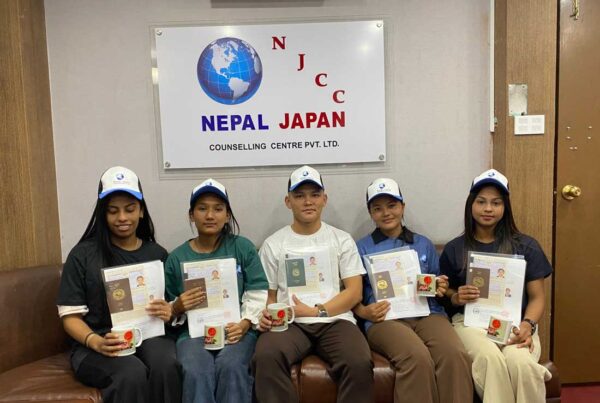
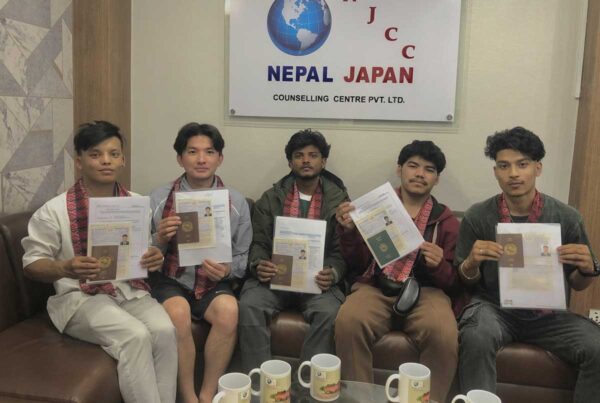
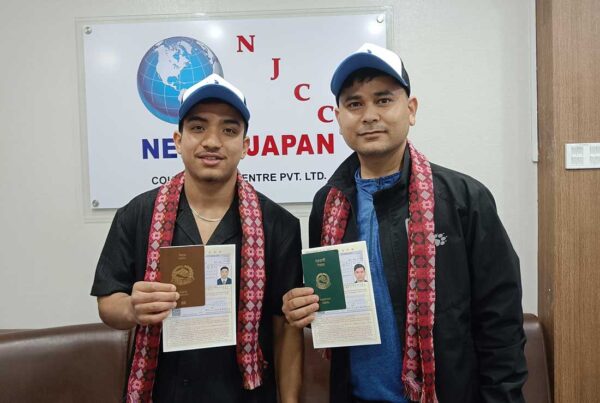
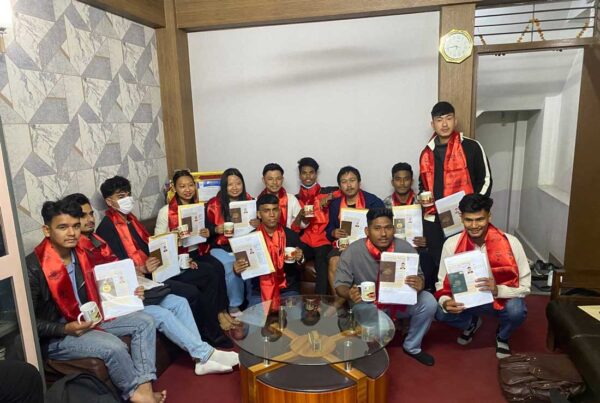
Nepal Japan Counselling Centre (NJCC) also supports students with guidance on scholarships, applications, and studying in Japan.
To receive a full scholarship in Japan, candidates must have outstanding grades. Preparation of a good study program is also essential. Candidates should be prepared to write exams and sit for an interview. The MEXT scholarship is the principal scholarship available.
Japanese Universities as well as many Japanese scholarships will need an approximate GPA of 2.5 to 3.5, out of a 4.0 point system. However, the higher the GPA, the better the prospect becomes.
IELTS is not necessarily required by all universities in Japan. Several universities might ask you to show other evidence of your knowledge of English, or take your own test. Nevertheless, IELTS or TOEFL will make your application more competitive.
Yes, fully funded scholarships such as MEXT can pay for your tuition, living expenses, and flight. But remember that the process of receiving such a scholarship is very competitive.
MEXT scholarship is one of those offered by the Japanese government to international students. This scholarship pays your tuition fee, stipend, and sometimes your airfare.
Yes. Japanese students may work part-time for a maximum of 28 hours per week provided that they obtain authorization from authorities.
Most scholarships have specific application periods, often once or twice a year. It is best to start preparing at least 6–12 months in advance.
Not always. Some scholarships and programs are available in English. However, basic Japanese skills improve your chances and help in daily life in Japan.